As we age, maintaining cognitive health becomes increasingly important. Many seniors look for natural ways to support brain function and memory retention, seeking alternatives or supplements that can benefit overall mental well-being. Among the herbs and natural remedies gaining attention, bay leaves have emerged as a promising candidate.
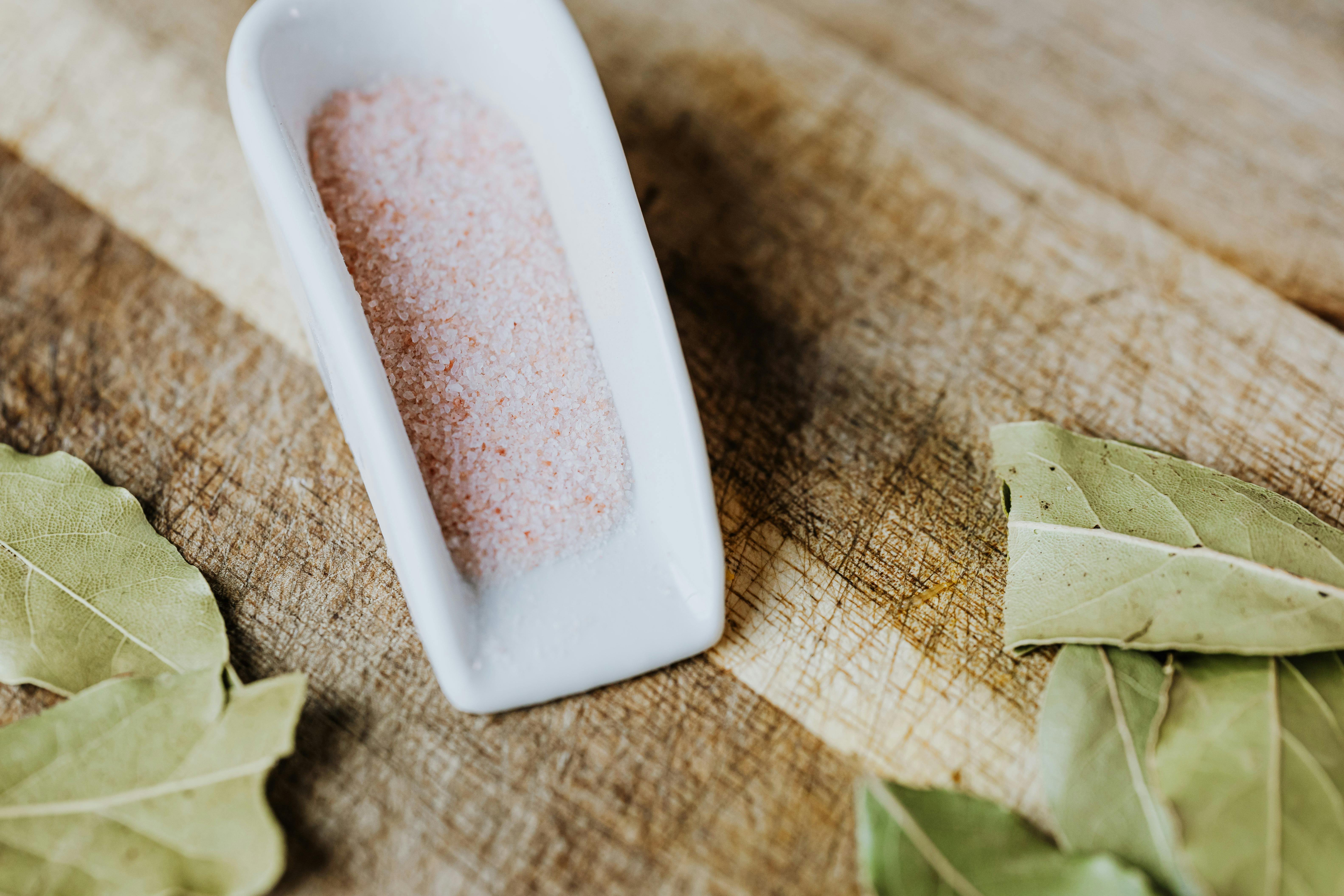
Bay leaves, commonly used as a culinary herb, come from the bay laurel tree (Laurus nobilis) and are rich in antioxidants and compounds that may influence brain health. Traditionally, bay leaves have been utilized for their aromatic and flavor-enhancing properties, but recent studies suggest their potential in supporting cognitive function.
The essential oils found in bay leaves contain compounds such as eugenol, myrcene, and linalool, which have demonstrated anti-inflammatory and antioxidant properties. Chronic inflammation and oxidative stress are key factors that have been linked to cognitive decline and neurodegenerative diseases like Alzheimer’s. By reducing inflammation and combating oxidative damage, bay leaves might help protect neurons and preserve brain function.
Moreover, bay leaves contain B vitamins like folate, which play a crucial role in brain health by aiding in the production of neurotransmitters responsible for communication between brain cells. Maintaining optimal neurotransmitter levels can support cognitive processes such as learning, memory formation, and mental clarity.
While scientific research on bay leaves’ direct impact on senior cognitive health is still growing, several animal studies have shown promising results. For example, supplementation with bay leaf extract has been associated with improved memory and reduced anxiety-like behaviors in rodents. These findings pave the way for future clinical studies to determine efficacy and dosage for humans.
For seniors interested in incorporating bay leaves into their diets, there are simple ways to do so safely. Adding dried bay leaves to soups, stews, and teas can infuse dishes with flavor and potential cognitive benefits. However, it’s important to remove the leaves before consumption to avoid choking hazards. Alternatively, bay leaf essential oil can be used in aromatherapy to promote relaxation and mental alertness, though one should use essential oils with caution and consult healthcare providers before use.
In conclusion, bay leaves offer a natural, accessible avenue for seniors looking to support brain function and memory retention. While more research is needed to fully understand and validate these effects, the antioxidant and anti-inflammatory properties of bay leaves are promising in the context of cognitive health. As always, seniors should discuss any new supplement or dietary changes with a healthcare professional to ensure safety and appropriateness.



My mother has been using bay leaf essential oil for aromatherapy, and she says it helps with her anxiety and mental sharpness. Glad to see there might be science behind it.
Remember to always check with your doctor before adding herbs to your diet, especially if you’re on medications. Bay leaves sound promising though!
I’d be interested in seeing more clinical trials on bay leaves and cognition. Natural remedies are great but need solid evidence.
Great article! I always thought bay leaves were just for flavor. Knowing they might help my memory is encouraging. Thanks for sharing!
I’ve started adding bay leaves to my daily tea after reading about its benefits. I feel clearer and more focused, but I wonder how long it takes to see real results.